Roman Lavrentyev, Co-Founder and COO, Uzum
Roman Lavrentyev shares how Uzum became Uzbekistan's first unicorn by building an integrated digital ecosystem serving over 20 million users monthly.
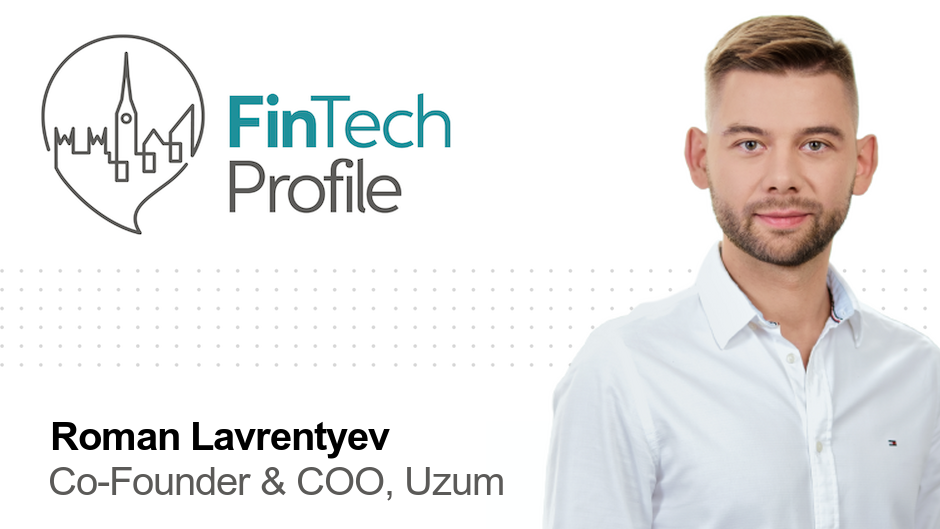
Today we're delighted to speak with Roman, Co-Founder and COO of Uzum, Uzbekistan's leading digital ecosystem that has achieved unicorn status by integrating fintech, e-commerce, and banking services. With over 20 million people using Uzum's services every month, Roman shares insights on building digital infrastructure in emerging markets, the power of ecosystem thinking, and why collaboration will define the future of financial services.
My questions are in bold - over to you Roman:
Who are you and what's your background?
My name is Roman Lavrentyev. Since 2022, I have served as the co-founder and COO at Uzum, Uzbekistan's leading digital ecosystem, where I oversee strategic operations and drive platform growth across our fintech, e-commerce, and logistics verticals. Before joining Uzum, I held leadership roles at SiFox in Nairobi, first as Chief Product Officer and later as CEO, where I led telecom product innovation for operators such as Orange, Airtel, Safaricom, Beeline, Megafon, Tele2, and Yota. Earlier in my career, I worked as a Product Owner at PimPay, a B2B fintech service for e-commerce, and later served as Chief Commercial Officer at Arenza.ru, where I helped scale SMB leasing services. I am also the founder of two logistics ventures – Logarifma.pro, a cloud-based logistics platform, and ARS-Shipping – both of which achieved multimillion-dollar revenues and successful exits. I hold a degree from the Stanford Graduate School of Business, reflecting my long-standing commitment to innovation and global leadership.
What is your job title and what are your general responsibilities?
As a COO at Uzum, I oversee the day-to-day operations of our digital ecosystem, spanning e-commerce, logistics, and fintech services. My role focuses on building the systems, processes and operational discipline that enable these businesses to scale efficiently and deliver a seamless customer experience.
On a daily basis, I work closely with our product, technology, logistics, and commercial teams to ensure that every part of the operation – from merchant onboarding and last-mile delivery to credit services and payments – runs reliably and at scale. I also lead key partnerships, support strategic planning, and ensure that our operational roadmap aligns with Uzum's broader mission to deliver accessible, high-quality digital services across Uzbekistan.
Can you give us an overview of your business?
Uzum is Uzbekistan's leading digital services ecosystem, integrating e-commerce, fintech and banking solutions to transform how individuals and small businesses access and use digital services. Our mission is to build the infrastructure that unlocks the country's economic potential and improves the quality of life for people across all regions.
Our ecosystem combines fast-growing businesses created by Uzum – including Uzum Market, the largest online marketplace in the country – with mature market-leading companies. We operate the full value chain: from marketplace and merchant tools to logistics, delivery, payments and financial products. Our integrated approach ensures fast delivery, smooth and secure payments and reliable operational support for merchants. 20 million people, over half of Uzbekistan's population, use Uzum services every month.
Market response has been exceptionally strong, proven by a rapid user adoption and high engagement across Uzbekistan, with millions of customers relying on us for affordable products, convenient services, and flexible payment options. Our fintech offerings have seen particularly strong traction as users seamlessly transition from shopping with us to managing their financial needs within the same ecosystem.
Tell us how you are funded?
Uzum has raised institutional capital through several successful funding rounds, transforming it into Uzbekistan's national digital champion and the country's first unicorn.
Our funding journey reflects our long-term ambition to build a reliable, scalable digital ecosystem. A major milestone was our Series A equity round in March 2024, led by FinSight Ventures, an American fund specialising in fintech investments and joined by Xanara Investment Management, a multifamily office in the UAE. This round raised over US$100 million and established Uzum as Uzbekistan's first technology company to surpass a US$1 billion valuation.
In August 2025, we completed another significant equity round of nearly US$70 million, led by Tencent and VR Capital, bringing Uzum's valuation to approximately US$1.5 billion.
We have intentionally balanced local investors with leading international funds, enabling us to scale our logistics infrastructure, accelerate product development, and expand our financial services capabilities. This combination has strengthened our credibility both within Uzbekistan and globally, positioning Uzum as one of the region's most promising and fast-growing digital platforms.
What's the origin story? Why did you start the company?
When we started Uzum, we were driven by a simple but ambitious vision: to build something that didn't yet exist in Uzbekistan – a unified digital platform that could meet people's everyday needs at scale. At the time, the country lacked the fundamental infrastructure required for modern e-commerce and fintech. There was no reliable way to buy goods online, no integrated digital payments system, and no nationwide logistics network capable of moving products efficiently.
We began by addressing these foundational gaps. We built our own warehouses, distribution centres, and last-mile delivery network, which today reaches more than 450 towns and cities across Uzbekistan. Once this infrastructure was in place, it quickly became clear that people wanted not only access to goods but also access to modern financial products and services. That insight drove us to expand into fintech – launching instalment products and later a Visa debit card with a pre-approved credit limit as well as a broader suite of financial services designed to give customers more flexibility and control over how they shop and manage their finances.
These building blocks grew into what Uzum is today: a fully integrated digital ecosystem that brings together commerce, finance, and logistics under one roof. By solving the infrastructure gaps that once held the market back, we've made the digital economy accessible to millions of people and created a platform that continues to grow with their needs.
Who are your target customers? What's your revenue model?
Our customers range from individuals and families who want convenient access to everyday goods to SMEs and merchants who rely on Uzum for sales, payments, logistics, and financial tools.
Revenue model reflects our ecosystem approach. We earn through marketplace commissions, delivery and fulfilment fees, commissions from our fintech products, and value-added services for merchants. This allows us to create value for both shoppers and sellers while growing the digital economy in Uzbekistan.
If you had a magic wand, what one thing would you change in the banking and/or FinTech sector?
That's an interesting question – especially in a fast-developing market like Uzbekistan. If I had a magic wand, I would accelerate the standardisation and consistency of banking infrastructure, from data-sharing interfaces to payment systems. When financial institutions can connect seamlessly, innovation moves faster, and customers get simpler, safer, and more accessible services.
Fortunately, Uzbekistan is already moving in this direction, with its rapidly evolving regulatory framework. Ongoing government reforms are lowering barriers to launching new financial products, modernising payments, and laying the foundations for a more open and competitive financial sector. The government is also supporting the country's digitalisation drive, which aims to diversify and modernise its economic landscape. Uzum's own rapid growth shows how much potential is unlocked when infrastructure, innovation and regulation evolve together.
What is your message for the larger players in the Financial Services marketplace?
Today's market is evolving quickly, and it does not reward lateness or missed momentum. Large banks have scale, trust, and deep regulatory expertise, while fintechs bring product agility, operational flexibility and a strong user-centric approach. The smartest incumbents will open clear integration paths to ecosystem partners, co-build services that reach real customers, and shift from zero-sum thinking to shared value creation. Collaboration, not isolation, is what will help institutions keep pace with fast-changing market conditions.
Regionally, the fintech landscape in Central Asia is developing at remarkable speed, driven by a young population and strong commitment to digital innovation. We are already seeing the impact of AI-enabled systems in financial services – accelerating service times and improving customer satisfaction.
Uzbekistan is one of the most promising fintech markets in this transformation. The region has historically been underinvested and underreported, but this is changing quickly: mobile internet access is improving, smartphone penetration is high, and local digital platforms are gaining real traction.
Where do you get your Financial Services/FinTech industry news from?
I follow a mix of global and regional sources, including leading fintech and payments trade media as well as local business outlets, to stay informed about market developments. I also rely on a range of specialised newsletters and digital channels for insight into emerging trends and regulatory changes.
Uzum is present at many key industry events – these are important platforms for us to stay connected, exchange ideas with peers, and remain part of the wider conversation shaping the future of fintech.
Can you list 3 people you rate from the FinTech and/or Financial Services sector that we should be following on LinkedIn, and why?
I would suggest following these three:
- Shamir Karkal, Co-Founder of Sila and former CFO of Simple, for his deep experience in banking-as-a-service, embedded finance, and the intersection of traditional banking with fintech. His posts and commentary on BaaS and compliance are especially useful for ecosystem players.
- Ewan MacLeod, FinTech Profile, for keeping the industry connected through FinTech Profile and for curating perspectives from leaders across the financial services and fintech landscape. His work helps surface trends and voices that matter.
- Sarah Chen, Co-Founder of The Billion Dollar Fund, for her focus on fintech and financial inclusion in Asia and emerging markets. Her perspective on investing in and scaling ventures in developing economies is highly relevant for anyone building in similar contexts.
What FinTech services (and/or apps) do you personally use?
I use a mix of everyday tools and professional ones. Closer to our home market, I obviously use Uzum's own fintech products – the Uzum card, Nasiya instalments, and in-app payments – both to stay close to the customer experience and to stress-test our own systems. For day-to-day spending and travel, I rely on Revolut and Wise – both are excellent for multi-currency accounts, transparent fees, and smooth cross-border use, which is important when you operate across regions. For business and treasury, I follow how platforms like Mercury and Brex have rethought banking for startups and scale-ups; their approach to accounts, cards, and integrations sets a high bar.
What's the best new FinTech product or service you've seen recently?
One that has stood out recently is Moniepoint – a Nigerian fintech that provides agency banking, SME payments, and working-capital solutions to merchants and small businesses. They have scaled efficiently in a challenging market by combining distribution, compliance, and product in a way that feels relevant to anyone building fintech in emerging ecosystems. Their focus on last-mile distribution and embedded financial services for SMEs is very aligned with how we think about serving merchants and individuals in Uzbekistan. Another is the continued evolution of embedded lending and BNPL in e-commerce and super-apps – the way companies like Affirm and regional players integrate credit at the point of need is reshaping how people access finance without leaving the platforms they already use.
Finally, let's talk predictions. What trends do you think are going to define the next few years in the FinTech sector?
I see several themes defining the next few years. First, the line between banking, payments and commerce will keep blurring: the winners will be ecosystems that offer a unified experience – shopping, paying, borrowing, and saving in one place – rather than standalone products. Second, embedded finance will become the default: credit, insurance and treasury will be embedded where people and businesses already transact, which favours platforms with distribution and data. Third, AI will move from experiments to core operations – in underwriting, fraud detection, and customer support – improving unit economics and accessibility. Fourth, in emerging markets like Uzbekistan and the wider region, the priority will be financial inclusion and infrastructure: reliable identity, interoperable payments, and clear regulation. Finally, sustainability and ESG will matter more for capital and talent; fintechs that build transparency and impact into their models will have an edge. At Uzum, we are betting on the ecosystem model and on serving the next hundreds of millions of users who are coming online and into the formal economy – the firms that get distribution, trust, and operations right will define the next decade.
Many thanks to Roman for taking the time to share his insights with us.
You can learn more about Uzum and their work building Uzbekistan's leading digital ecosystem on their website at uzum.com.